
Plumbing FAQs | Casselberry, FL
Frequently Asked Questions | Plumber in Casselberry, Florida | Casselberry Plumbing Pros
If you have plumbing questions in Casselberry, Florida, this FAQ page from Casselberry Plumbing Pros was built to give you straight answers without the runaround. Over the years we have spent working on homes across Casselberry and the surrounding Seminole County area, we have noticed that homeowners tend to ask the same practical questions, usually right when something has gone wrong and they need to make a quick decision. So we gathered the questions we field every week, about drain cleaning, water heater repair and replacement, pipe repair, repiping, water line work, fixture installation, garbage disposals, gas line service, slab leaks, and emergency plumbing, and answered them here in plain language.
Having worked everywhere from the older neighborhoods near Lake Howell to the newer streets toward Winter Springs, we understand how plumbing actually behaves in this part of Central Florida, where humidity, hard water, and slab foundations all play a role. Every answer below comes from real calls, not a generic script. We diagnose carefully instead of guessing, and we explain what we find so you can decide with confidence. Whether you are dealing with a slow drain at midnight or planning to upgrade an aging water heater, our goal is to help you understand the situation before anyone touches a wrench. Read through the sections that apply to you, and if your question is not covered, reach out and we will be glad to help.
General Plumbing Questions in Casselberry
When should I call a plumber instead of trying to fix it myself?
A loose connection or a simple plunge is fine to handle on your own, but anything involving gas, electrical connections, or water behind a wall is worth a call. The bigger reason is misdiagnosis. A clog that keeps coming back or pressure that drops across the whole house usually points to a deeper cause that a quick fix only hides. In Casselberry homes, especially older ones, small symptoms often signal something larger underneath. Calling a professional early tends to save you from a much bigger repair later, and it spares you the second attempt when the first one does not hold.
What counts as a plumbing emergency?
If water is actively damaging your home or you have lost water entirely, that is an emergency. A burst pipe, an overflowing toilet that will not stop, a water heater dumping water across the floor, or sewage backing up all qualify. So does a suspected gas leak, which is the most serious of all. For these, the first step is usually shutting off the water at the main valve to limit the damage. Many Casselberry homeowners are surprised how fast water spreads, so when in doubt, treat it as urgent and reach out rather than waiting to see if it gets worse.
Do you work on older homes in Casselberry?
Yes, and it is a good part of what we do. Plenty of Casselberry homes were built decades ago, and the plumbing in older houses comes with its own quirks, from aging galvanized or copper lines to outdated fixtures and original water lines that have corroded over time. We know what to look for in these homes and how to approach repairs without creating new problems. Whether you need a single fix or are weighing a larger project like repiping, we tailor the work to the age and condition of your specific house rather than applying a one size fits all approach.
What are the most common plumbing problems in older Casselberry homes?
The usual suspects are corroded pipes, low water pressure, recurring clogs, and worn fixtures that have simply aged out. In houses built in the 1960s and 1970s, original supply lines often narrow from interior buildup, which chokes pressure and can tint the water. Drain lines in older homes also tend to collect more buildup and are more prone to root intrusion. None of this means an old home is a problem home, it just means the plumbing deserves a closer look. We diagnose what is actually failing so you are not replacing things that still have life left in them.
How can I tell if I have a hidden water leak?
A water bill that climbs for no clear reason is often the first clue. Other signs include the sound of running water when everything is off, a warm or damp spot on the floor, peeling paint, a musty smell, or pressure that dips without explanation. In Casselberry, where many homes sit on concrete slabs, leaks can hide beneath the foundation and go unnoticed for a long time. If you suspect a hidden leak, it is worth having it located early, because the longer water runs where it should not, the more damage it does to floors, walls, and the slab itself.
Why does my water sometimes look rust colored?
Rust colored water usually comes from corrosion, either inside aging pipes or within a deteriorating water heater. If the discoloration shows up only at hot taps, the water heater is often the source, since sediment and rust build up inside the tank over time. When every tap runs tinted, corroding supply lines are the more likely cause. It is worth checking rather than ignoring, because the fix can range from a simple flush to a sign that pipes are nearing the end of their life. We help you figure out which it is before recommending anything.
What causes that banging noise in my pipes?
That knocking or banging, often called water hammer, usually happens when fast moving water stops suddenly and the pressure jolts the pipes. Loose pipe straps, worn valves, or missing air chambers can all contribute. Sometimes it is minor, and sometimes it points to pressure that is running too high for your system, which stresses fittings and appliances over time. If your pipes have started banging more often, it is worth looking into, since the underlying pressure issue can shorten the life of everything connected to it. We track down the source rather than just quieting the symptom.
How often should I have my plumbing checked?
For most Casselberry homes, a look every couple of years is reasonable, and sooner if your house is older or you have noticed small issues piling up. A periodic check catches slow leaks, early corrosion, water heater wear, and pressure problems before they turn into emergencies. It is a lot like maintenance on anything else, a little attention up front prevents the expensive surprise later. If you have recently bought an older home or cannot remember the last time anyone looked at the pipes, that is a good moment to have things inspected so you know what you are working with.
Drain Cleaning and Clog FAQs in Casselberry
How much does drain cleaning cost in Casselberry?
The cost depends on the situation, since a simple clog near the surface is a very different job from a deep blockage that needs specialized equipment. Factors like how far down the clog sits, whether it is grease, roots, or buildup, and whether the line has underlying damage all play a part. Rather than give a number that could be misleading, we prefer to look at what is actually going on first and explain the work clearly before we begin. That way you understand the scope and there are no surprises. We will always walk you through what the job involves up front.
Why does my kitchen sink drain keep backing up?
A drain that keeps backing up almost always means the real cause was never addressed. In kitchens, grease is the usual culprit, building up on the inside of the pipe until water can barely pass. It can also be a venting problem or a blockage deeper in the line. Snaking it clears the symptom but not the reason, which is why it returns. We find out what is actually driving the backup, clear the line properly, and confirm it flows freely, so you are not stuck dealing with the same slow, gurgling sink again in a few weeks.
What is the difference between hydro jetting and snaking?
Snaking, or cabling, sends a flexible tool down the line to break through or pull back a clog, which works well for many everyday blockages. Hydro jetting uses high pressure water to scour the inside of the pipe, clearing out grease, sludge, and buildup that a cable leaves behind. Think of snaking as punching a hole through the clog and jetting as washing the whole pipe clean. For recurring problems or heavy buildup, jetting often gives a longer lasting result. We choose the method based on what the line actually needs rather than defaulting to one every time.
Can I use store bought drain cleaner instead of calling you?
We understand the appeal, but those chemical cleaners often cause more harm than good. They can sit in the pipe, generate heat, and damage older lines, and they rarely clear the full blockage, so the problem returns. They also make the job messier and more hazardous when a plumber does come out. For a minor, occasional slowdown, hot water and a plunger are safer first steps. For anything stubborn or recurring, it is better to have the line cleared properly so the cause is addressed and your pipes are not quietly being eaten away in the process.
How do I know if the clog is in one drain or the main line?
If only one fixture is affected, the clog is usually local to that drain. When several drains slow down or back up at once, or when using one fixture causes water to rise in another, that points to a blockage in the main line, which is a more serious situation. Gurgling sounds and bad odors across multiple drains are other warning signs. A main line clog needs prompt attention before it backs sewage into the home. We can run a camera to see exactly where the trouble sits and confirm what we are dealing with.
How can I prevent clogs in the first place?
A few simple habits go a long way. Keep grease, coffee grounds, and fibrous food scraps out of the kitchen drain, even with a disposal running. Use strainers to catch hair and debris in bathroom drains, and never flush wipes, even the ones labeled flushable. Running hot water after each use helps keep buildup moving along. In Casselberry’s older homes, where pipes have had decades to collect residue, these small steps matter even more. None of this guarantees you will never see a clog, but it dramatically cuts down how often you deal with one.
Water Heater Repair and Installation FAQs in Casselberry
What are the signs my water heater needs replacement?
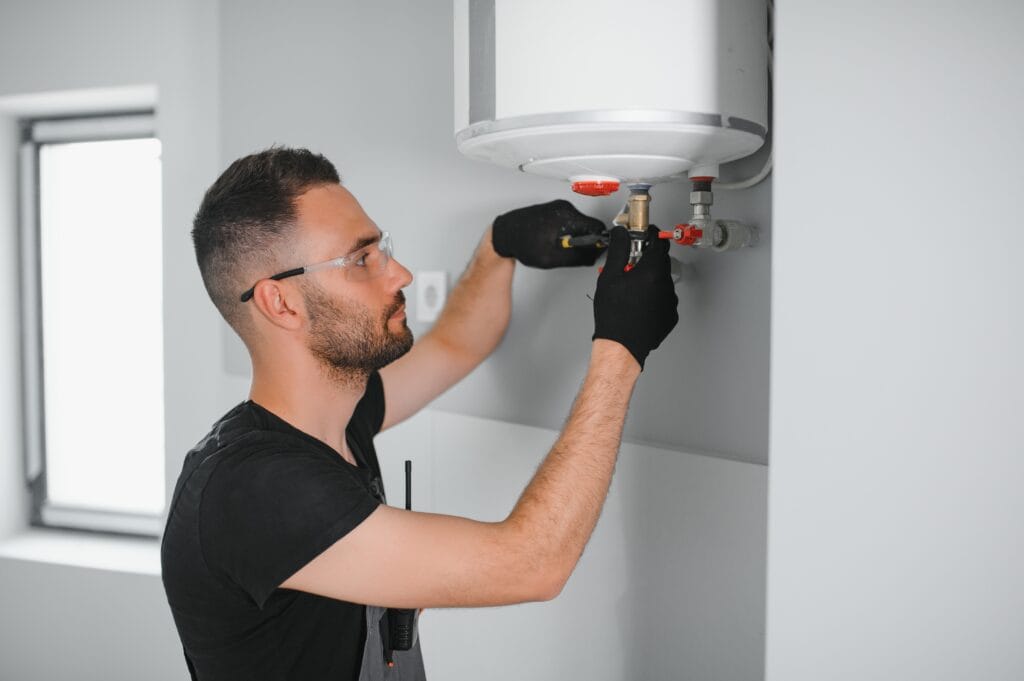
Age is the biggest factor. Most tank units last around eight to twelve years, so if yours is creeping past that and acting up, replacement is worth considering. Other signs include rust colored hot water, popping or rumbling from sediment in the tank, water pooling around the base, and hot water that runs out far faster than it used to. A single failed part can sometimes be repaired, but when an older unit shows several of these symptoms at once, it is usually telling you its time is short. We help you weigh repair against replacement honestly.
When should I call for no hot water?
If you have lost hot water entirely, it is worth calling sooner rather than later, since the cause can range from a simple reset to a failed component or a tank at the end of its life. For electric units, a tripped breaker or burned out element is common, while gas units may have a pilot or igniter issue. Trying to chase it yourself can be frustrating and, with gas, risky. We test the parts that commonly fail and tell you exactly what is going on, so you are not left guessing or taking cold showers any longer than necessary.
Should I repair or replace my water heater?
It comes down to age, the nature of the problem, and how the unit has performed overall. If a relatively young heater has one failed part, a repair usually makes sense. If an older unit is leaking from the tank itself, that is rarely worth repairing, since the tank cannot be patched reliably. We look at how old it is, what has failed, and whether you have been having repeated trouble, then lay out the honest tradeoffs. Our aim is to keep a good unit running when it makes sense and steer you toward replacing one that will only keep costing you.
Do you install tankless water heaters in Casselberry?
Yes, we install and service tankless water heaters for Casselberry homeowners who want endless hot water and better efficiency. These units heat water on demand instead of storing it, which saves space and energy, but they need correct sizing and adequate gas or electrical capacity to perform well. The installation really matters, because an undersized or poorly vented unit will disappoint. When a family is switching from a tank model, we walk through what the change involves so the new system delivers the steady hot water they are expecting for years to come.
Why is my water heater leaking from the bottom?
Water pooling under the tank often means the tank itself has corroded and failed internally, which is not something that can be repaired, since the steel cannot be resealed once it goes. Before assuming the worst, though, it is worth checking, because the water can sometimes come from a loose fitting, the drain valve, or the temperature relief valve, all of which are fixable. We determine the true source first. If it is the tank, we help you choose and install a properly sized replacement. If it is a valve or connection, you may be looking at a much simpler repair.
What is that rumbling sound coming from my water heater?
That popping or rumbling is usually sediment. Over years of use, minerals settle to the bottom of the tank, and in Casselberry, where the water carries plenty of those minerals, it builds up faster than many people expect. As the burner heats water trapped under that layer, it bubbles and rumbles. Beyond the noise, the sediment makes the heater work harder and shortens its life. Flushing the tank can help if it is caught early. If the buildup is severe and the unit is older, it may be a sign the heater is heading toward the end of its run.
How long does a water heater installation take?
A straightforward tank replacement usually takes a few hours, including draining and removing the old unit, setting the new one, and making the connections safely. Switching to a different type, such as moving from a tank to a tankless system, takes longer because it may involve changes to gas, electrical, or venting. We size the new unit correctly for your household and test everything before we leave, so you are not left wondering whether it was done right. We will give you a realistic timeframe up front based on your specific setup and what the job requires.
How can I make my water heater last longer?
Periodic flushing to clear sediment is the single most helpful thing, especially given the mineral content in local water. Keeping the temperature at a sensible setting reduces strain, and checking the anode rod every few years can add real life to a tank unit by slowing corrosion. Catching small issues early, like a minor valve drip, keeps them from becoming bigger failures. None of this is complicated, and a little attention spread over the years often buys you extra time before replacement. We are happy to handle this kind of upkeep or show you what to watch for.
Pipe Repair, Repiping and Water Line FAQs in Casselberry
What should I do for a burst pipe?
Shut off the water at the main valve first, since stopping the flow limits the damage more than anything else you can do. Then move valuables away from the water, and if the leak is near electrical outlets or panels, stay clear of it. Open a faucet to relieve pressure in the lines, and reach out for help right away. A burst pipe can release a startling amount of water fast, so the quicker you cut the supply, the better. Knowing where your main shutoff is before an emergency happens is one of the most useful things any homeowner can do.
How do I know if I have a slab leak?
Since many Casselberry homes sit on concrete slabs, water lines run beneath the foundation where you cannot see them. Warning signs include a warm spot on the floor, the sound of running water with everything off, cracks or dampness in the flooring, a mildew smell, and a water bill that climbs without explanation. Slab leak detection takes specialized listening and locating equipment to pinpoint the spot without breaking up the whole floor. Caught early, the repair is far less disruptive. Left alone, a slab leak can damage the foundation and flooring, so it is not something to put off.
What causes low water pressure in Casselberry homes?
Low pressure has several common causes here, including mineral buildup inside aging pipes, a hidden leak, a failing pressure regulator, or corrosion narrowing older supply lines. Sometimes only one fixture is affected, which points to a local issue like a clogged aerator, and sometimes the whole house drops, which suggests something broader. In older Casselberry homes, interior pipe corrosion is a frequent reason pressure fades over the years. Because the right fix depends entirely on the cause, we diagnose before recommending anything, so you are not paying to replace parts that were never the actual problem.
When is repiping a better choice than repair?
If your home keeps springing small leaks in different spots, or the pipes are visibly corroded and pressure has dropped throughout, repiping often makes more sense than chasing one leak after another. Repiping an older home with modern materials restores steady pressure and clean water and puts an end to the constant patching. A single failed section, on the other hand, is usually fine to repair on its own. We are honest about which situation you are in, because there is no reason to repipe a home that just needs a targeted fix, and no reason to keep patching one that has aged out.
How do you find a leak inside a wall without tearing it apart?
We use leak detection tools and our experience reading the signs to narrow down the location before opening anything. Moisture meters, listening equipment, and clues like staining, dampness, and pressure behavior all help us pinpoint where the trouble sits. The goal is always to open as little of the wall as possible, fix the failed section, and pressure test the repair. A leaking pipe inside a wall can quietly damage drywall and framing, so finding it precisely and early means a smaller, cleaner repair than waiting until water shows up across the ceiling.
What are the signs my main water line is failing?
The main line feeds everything, so trouble there shows up across the whole home. Watch for an unexplained jump in water usage, wet or unusually green patches in the yard along the line’s path, a drop in pressure at every fixture, or cloudy water. Pooling near the meter is another red flag. A main water line leak needs prompt attention before it undermines landscaping or the foundation. We locate the problem precisely before any digging so the work stays contained, then either repair the failed section or replace the run for a lasting fix, pressure testing before we call it done.
Garbage Disposal Repair and Installation FAQs in Casselberry
How do I fix a jammed garbage disposal?
First, switch it off at the wall for safety, and never put your hand down into it. Many disposals have a hex socket on the underside that lets you manually turn the flywheel with an allen wrench to free the jam, and most units have a small reset button on the bottom to press once it is clear. If it only hums, that usually means something is stuck. If those steps do not bring it back, or it trips the breaker again, the motor may be done. At that point we can take a look and tell you whether it is worth saving or replacing.
Why does my disposal only hum when I turn it on?
A hum without spinning almost always means the blades are jammed by something they could not grind, like a bone, a utensil, or fibrous scraps. The motor is getting power but cannot turn. Shut it off before doing anything, since running it while jammed can burn out the motor. Freeing the flywheel and hitting the reset often brings it back to life. If it still will not run after that, the motor may have failed. We can clear a stubborn jam or, if the unit is worn out, install a properly sized replacement that handles your kitchen’s needs.
Why does my garbage disposal smell bad?
Odors usually come from food residue trapped inside the unit and along the splash guard, where it sits and breaks down. Grinding a few ice cubes helps scour the chamber, and citrus peels can freshen it up, but if cleaning does not solve it, the smell may be coming from buildup deeper in the drain line rather than the disposal itself. A disposal problem and a slow drain often travel together. If the odor persists no matter what you try, it is worth having us check the trap and surrounding plumbing for buildup that simple cleaning cannot reach.
Can a leaking garbage disposal be repaired?
It depends on where the leak is coming from. Leaks at the connections, such as the dishwasher hose or the drain fitting, can often be tightened or resealed. A leak from the bottom of the unit itself usually means the internal seals have failed, and at that point replacement is the sensible move rather than an ongoing repair. We find the exact source first, since a connection leak and a failed housing call for very different solutions. While we are under there, we also check the trap and drain, because moisture issues in that area tend to come in pairs.
What can I do to keep my disposal working well?
Run cold water before, during, and after you use it, and let it keep running a few seconds after the grinding stops to flush everything through. Avoid grease, coffee grounds, pasta, rice, and fibrous scraps like celery and onion skins, since these are the things that cause most jams and clogs. Grinding small amounts at a time works better than overloading it. A periodic cleaning with ice and citrus keeps it fresh. These simple habits prevent the majority of the disposal problems we get called out for in Casselberry kitchens.
Plumbing Fixture Installation and Repair FAQs in Casselberry
Why does my toilet keep running?
A toilet that runs long after you flush is usually wasting water because of a worn flapper, a faulty fill valve, or a chain that is not seating right inside the tank. The flapper is the most common culprit, since the rubber hardens and stops sealing over time, letting water trickle from the tank into the bowl continuously. It is often a quick, inexpensive fix once the right part is identified. Beyond the wasted water, a constantly running toilet is an easy thing to ignore until the bill reminds you, so it is worth handling sooner than later.
How do I stop a faucet from dripping?
A faucet dripping all night usually comes down to a worn internal component, like a washer, O ring, or cartridge, depending on the faucet type. The constant drip wastes more water than people expect and can wear a stain into the sink over time. Sometimes a simple part swap solves it, and sometimes an older faucet is better replaced than repaired. We carry common components and often handle the fix in one visit. If you are tired of the sound and the waste, it is an easy thing for us to take care of quickly.
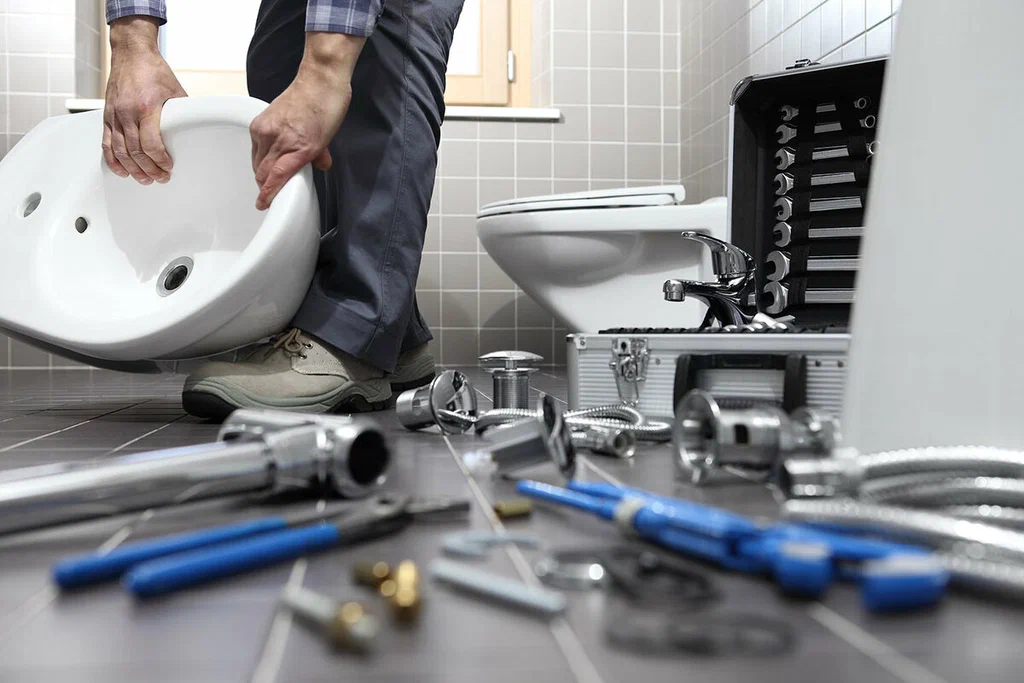
What questions should I ask before a toilet installation?
It helps to think about the rough in measurement, the height and style you want, and whether you are looking for water efficiency. If your current toilet rocks, leaks at the base, or needs constant repairs, replacement is often the better path than patching it again. We make sure the new unit seats properly with a solid seal, check the supply line and shutoff, and confirm there are no leaks before we finish. A correct installation prevents the wobble and base leaks that lead to hidden floor damage, so the details are worth getting right the first time.
Can you install a new shower or replace a shower valve?
Yes, both are common jobs for us. Whether you are putting in a new shower or replacing a worn shower valve that no longer controls temperature well, we make sure everything seals correctly and operates the way it should. Shower valve work in particular benefits from a professional touch, since it sits behind the wall and a leak there can go unnoticed and cause real damage. We take the time to check the connections and surrounding area, so you end up with a shower that runs smoothly and does not surprise you with hidden moisture later.
My fixtures have weak flow even though pressure seems fine elsewhere. Why?
When one faucet or showerhead runs weak while the rest of the house is fine, the problem is usually local rather than a whole house pressure issue. A clogged aerator on a faucet, mineral buildup in a showerhead, or a partially closed shutoff valve are the usual causes. Given the mineral content in local water, buildup at fixtures is fairly common over time. Often a good cleaning or a simple part replacement restores the flow. If clearing the fixture does not help, we look further upstream to rule out a supply line or valve issue feeding that spot.
Gas Line and Emergency Plumbing FAQs in Casselberry
What should I do if I smell gas?
Treat it as the serious emergency it is. If you smell gas or suspect a gas leak, go outside immediately and call 911 – this is a serious emergency that needs urgent attention from the gas company. Do not flip light switches, light a flame, or use anything that could create a spark, and do not try to find the source yourself. Once the situation has been made safe by the proper authorities, we can help with repairs to the line. Your safety always comes first, and there is no plumbing issue worth staying inside a home that smells of gas to investigate.
Can you run a gas line for a new stove or appliance?
Yes. A gas line installation for a new stove, range, or other appliance is work we handle regularly, and it is exactly the kind of job that needs to be done correctly. We size the run properly, make secure connections, and pressure test the line before anything is put into service, because gas leaves no room for shortcuts. Whether you are adding an appliance, relocating one, or capping off a line for something you are removing, we work methodically and confirm every connection is sound. The extra care up front is what keeps a gas system safe for the long run.
How fast can an emergency plumber arrive in Casselberry?
We treat emergencies as the priority they are and work to get to you as quickly as we reasonably can. The exact timing depends on the time of day and where you are in the Casselberry area, but urgent situations like burst pipes, major leaks, and failed water heaters go to the front of the line. When you reach out, we will give you an honest sense of how soon we can be there. In the meantime, we will guide you through immediate steps like shutting off the water, so you are doing something useful while help is on the way.
Do you really offer 24 hour service?
Yes. Plumbing does not fail on a convenient schedule, so we make ourselves available around the clock for true emergencies in Casselberry. A pipe that bursts at two in the morning or a water heater that lets go over a holiday weekend cannot wait until business hours without causing real damage. Having someone who actually answers when water is spreading across the floor is the whole point of 24 hour service. For non urgent issues, we will set a normal appointment, but when it genuinely cannot wait, we are ready to respond at any hour.
How can I shut off my water in an emergency?
Every home has a main shutoff valve, and knowing where yours is before an emergency is one of the smartest things you can do. It is often located where the water line enters the home, near the water heater, or close to the meter. Turning it clockwise stops the flow to the whole house. Individual fixtures also have their own shutoff valves underneath, which is handy for a single leaking toilet or faucet. To stop an emergency water leak fast, the main valve is your best friend, and we are glad to point yours out during any visit.
What can I do to prevent plumbing emergencies?
A lot of emergencies start as small problems that were easy to ignore. Addressing slow leaks, recurring clogs, and aging water heaters before they fail outright prevents many of the worst surprises. Knowing where your main shutoff is, keeping an eye on your water bill for unexplained jumps, and having older plumbing looked at periodically all help. In Casselberry’s older homes especially, staying ahead of corrosion and worn components goes a long way. You cannot prevent every mishap, but most of the middle of the night calls we get trace back to something that gave warning signs first.

Service Area and Scheduling Questions for Casselberry
How soon can I get a same day plumber in Casselberry?
In many cases we can get to you the same day, since we keep room in the schedule for urgent requests in Casselberry. Some problems simply cannot wait, and we know that. When you reach out, we will tell you the soonest we can be there based on the day and the nature of the issue. Pressing problems like leaks, no hot water, or a clog you cannot clear get prioritized. We would rather be straight with you about timing than overpromise, so you always know what to expect when you call.
Is there a dependable plumber near me in the Casselberry area?
If you are in Casselberry or the surrounding Seminole County communities, yes. We work right here rather than routing calls through a distant call center, so we already understand the homes, the water, and the common issues in this area. That local footing means faster diagnosis and advice that actually fits your house. Being your neighbor also means our reputation rides on every job, which is exactly the kind of accountability you want in whoever is working on your plumbing. We are close enough to respond quickly and invested enough to do the work right.
What areas around Casselberry do you serve?
We cover Casselberry and the adjoining communities throughout this part of Seminole County, including Fern Park, Goldenrod, Winter Springs, Altamonte Springs, Longwood, Maitland, Winter Park, Forest City, and Lake Mary. Because Casselberry sits right in the middle of the county, these neighboring areas share much of the same housing and plumbing characteristics as our own, so we are well prepared for whatever we find. Wherever you are in the area, you get the same careful, local service. If you are not sure whether you fall within our range, reach out and we will let you know.
What happens when I first reach out to you?
It starts with a simple conversation about what is going on, whether that is a slow drain, a water heater acting up, or water where it should not be. We listen, ask a few questions to understand the situation, and let you know what to expect next. If it is an emergency, we help with immediate steps right away. Then we set a clear appointment window that fits your schedule, rather than a vague promise to come by sometime. You will always know when to expect us and what we plan to do.
Will you explain the work before you start?
Always. When we arrive, we take the time to find the actual cause rather than jumping to conclusions, then explain what we find in plain language. You will hear your options laid out clearly, without pressure or confusing jargon, so you can decide with confidence. If we open something up and discover an unexpected issue, you hear about it right away along with the choices. We think a homeowner should understand what is happening in their own home, and a clear explanation is just as much a part of good service as the repair itself.
Why Casselberry Homeowners Keep Coming Back to Casselberry Plumbing Pros
The reason people call us again, and send their neighbors our way, usually comes down to the same thing: we fix the actual problem and we are straight with them about it. A homeowner near Lake Howell once called about a kitchen sink that kept backing up no matter how many times it had been snaked. Instead of repeating that cycle, we found the grease buildup driving it, cleared the line properly, and the backups stopped. That is the kind of root cause work that earns a second call.
We have helped families switch to tankless water heaters for endless hot water, sized and installed so the system actually delivers. We have traced slab leaks beneath older homes using locating equipment instead of breaking up whole floors, sparing homeowners a much bigger mess. We have shown up late on a weekend when a pipe burst and water was spreading fast, getting the supply shut down and the damage contained before it became a ruined night.
And we have walked plenty of owners of older Casselberry homes through honest decisions about repiping, repairing only what needed it and replacing only when the pipes had truly aged out. None of these are dramatic stories. They are just the everyday work of a local team that listens, diagnoses carefully, respects the home, and explains things clearly. That is what keeps people coming back.
Conclusion
After years of working on homes throughout Casselberry, we have pretty much seen it all, from corroded pipes in houses built decades ago to the newest tankless systems and connected fixtures. This FAQ page reflects the questions real Casselberry homeowners ask us week in and week out, and we hope the answers help you understand your own plumbing a little better before anything goes wrong. Whether you need a routine repair, a planned upgrade, a hidden leak found, or fast help in the middle of an emergency, you have a local team nearby that diagnoses carefully, respects your home, and tells you the truth about what it needs. We are proud to be the plumbers Casselberry neighbors trust.
Zip codes we serve: 32707, 32708, 32730, 32751, 32792, 32701, 32703, 32779, 32789, 32765, 32746
Plumbing Pro Services
Committed To Flowing Water & Peace Of Mind
Reliable plumbing solutions for residential and commercial needs. We ensure your pipes, drains, and fixtures are working perfectly.
We Deliver Expert Results
Don’t gamble with your plumbing. We combine years of experience with modern technology to deliver lasting repairs and installations. Our team respects your time and your property.
- Fixture Installation
- Leak Detection
- Modern Diagnostics
- Drain Cleaning